

Volkswagen Tyre Pressure Warning in Cooler Weather: Why It Comes On and What to Do
The tyre pressure warning often comes on in a Volkswagen when UAE nights get cooler, because air pressure in the tyres drops as the temperature falls. Check all four tyres when they are cold, inflate them to the pressures on the label inside the fuel flap or door frame, then store the new pressures in the car’s menu so the warning resets. If the warning returns within a few days, have the tyres checked for a slow puncture.
From November onwards, Dubai mornings are noticeably cooler than the summer, and the difference between day and night temperatures grows. Many Golf, Tiguan, Passat, Polo, Jetta and Teramont owners see the yellow tyre warning light for the first time in months. It is one of the most common questions we get at this time of year. This guide explains why it happens, how the VW system works, and when the warning means something more serious.
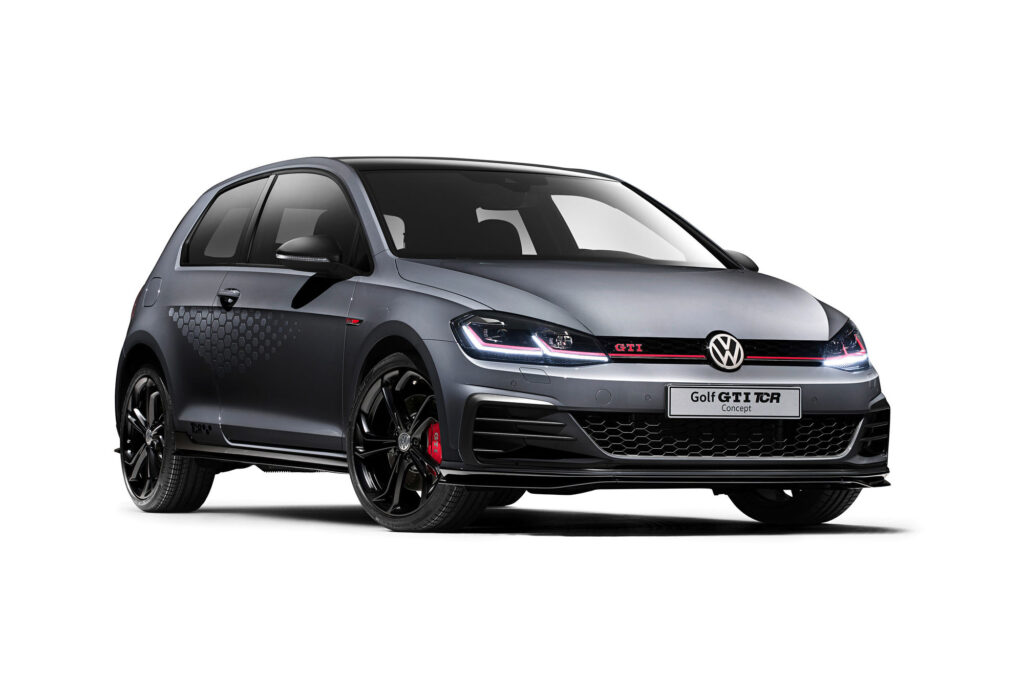
Why Cooler Weather Lowers Tyre Pressure
Air contracts as it cools. A commonly used rule of thumb is that tyre pressure drops by roughly 1 psi for every 5 to 6°C fall in temperature. Tyres that were set in the heat of September will be noticeably lower on a cool December morning. Tyres also lose a small amount of air naturally over time. Put the two together, and pressures can drift below the level that triggers the warning.
This is why the warning often appears first thing in the morning and sometimes disappears after a drive, when the tyres warm up. It is still worth checking, because low pressure affects grip, braking and tyre life.
How the Volkswagen Tyre Monitoring System Works
Volkswagen uses two kinds of tyre monitoring, depending on the model and market.
Indirect monitoring
Many VW models, including many versions of the Golf, Polo and Tiguan, use the ABS wheel speed sensors to monitor tyres. A tyre with low pressure has a slightly smaller rolling diameter, so it turns a little faster than the others. The system compares the wheels and warns you when one is different. It does not measure the actual pressure, which is why it must be told what “correct” looks like by storing the pressures after you inflate the tyres.
Direct monitoring
Some models, especially larger ones such as the Touareg and some Teramont and Tiguan versions, have a sensor inside each wheel that measures pressure directly. These systems usually show the pressure of each tyre on the dashboard. Sensor batteries do not last forever, and a faulty sensor can trigger a warning even when pressures are correct.
How to Reset the Warning Correctly
- Check the pressures when the tyres are cold, before driving or after the car has stood for a few hours
- Inflate all four tyres to the pressures on the label inside the fuel flap or door frame; use the loaded figures if you are carrying passengers or luggage
- On cars with indirect monitoring, store the new pressures using the tyre button or the vehicle settings menu on the infotainment screen
- Drive normally; the system takes a short time to learn the new values
- If your car has direct sensors, the warning usually clears after a short drive once pressures are correct
A common mistake is storing the pressures before inflating the tyres. The car then learns the wrong values and will not warn you properly. Always inflate first, then store.
When the Warning Means a Real Problem
If the warning comes back within a few days after you have inflated and reset the system, a tyre is probably losing air. Common causes in Dubai include:
- A screw or nail in the tread, often from construction areas
- A leaking tyre valve, especially on older tyres
- A damaged wheel rim from a kerb or pothole, causing a slow leak at the bead
- A cracked or aged tyre after years in the heat
Look for a tyre that looks lower than the others and listen for hissing. A slow puncture that is fixed early can often be repaired; one driven on while flat usually means a new tyre; see our tyre replacement service.
When the Warning Flashes
A flashing tyre warning, often followed by a steady light, usually means the system itself has a fault rather than a tyre being low. On cars with direct sensors, this is often a sensor with a flat battery or a sensor damaged during a tyre change. A diagnostic scan shows which sensor is at fault. Our Volkswagen electrical diagnostics team can read the tyre monitoring system and test each sensor.
After New Tyres or a Wheel Change
Whenever tyres are replaced, wheels are swapped or the tyres are rotated, the system should be reset. On cars with direct sensors, new sensors may need to be matched to the car. If this step is skipped, the warning may come on soon after leaving the tyre shop. If the car also pulls to one side after new tyres, have the wheel alignment checked.
Why Correct Pressure Matters
- Low pressure increases braking distance and reduces grip, especially in rain
- It makes the tyre run hotter, which raises the risk of a blowout on the highway
- It wears the outer edges of the tread faster and shortens tyre life
- It increases fuel consumption
Check pressures at least once a month and before long drives. It takes five minutes at any fuel station with an air pump, and it is one of the cheapest ways to keep your Volkswagen safe.
Other Cool-Weather Checks for Your Volkswagen
While you are checking the tyres, it is a good time to look at a few other items. Batteries often fail in the cooler months after the summer heat. Wiper blades harden in the sun and smear when the first rain arrives. And if your VW is due a service, our Volkswagen oil service and inspection includes a tyre and brake check. If the brakes squeal or the pedal feels different, see our Volkswagen brake repair page.
How Euro Experts Can Help
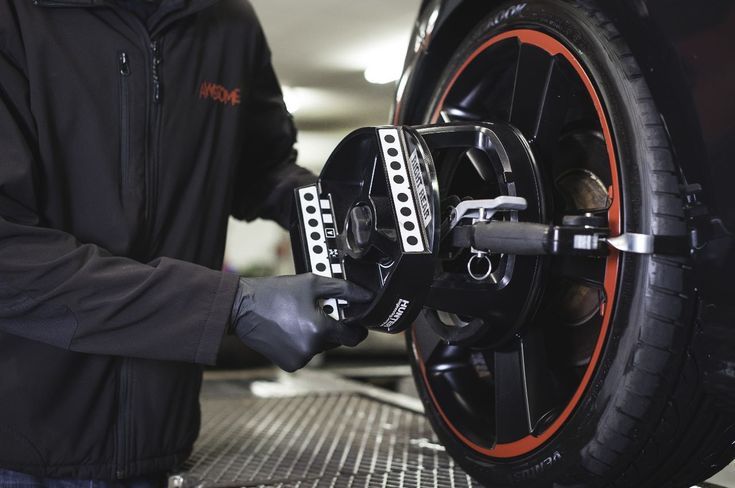
We check the tyres for damage and slow leaks, set the correct pressures, reset the monitoring system and scan for sensor faults. You get a written quote before any repair or replacement. Free pickup and delivery are available across Dubai. See all Volkswagen service and repair in Dubai, or read our Volkswagen preventive maintenance checklist.
Frequently Asked Questions
Is it safe to drive with the VW tyre pressure warning on?
For a short distance at low speed, usually yes, but check the tyres as soon as possible. If a tyre looks flat, do not drive on it; use the spare or the tyre repair kit, or call for help.
Why did the warning go off after I drove for a while?
The tyres warmed up and the pressure rose. They are still low when cold, so inflate them to the correct pressure and reset the system.
How do I reset the tyre pressure warning on my Golf or Tiguan?
After inflating all four tyres, use the tyre button or the vehicle settings menu on the infotainment screen to store the pressures. The exact steps vary by model and year; your owner’s manual shows them.
Should I use nitrogen in my tyres?
Nitrogen may change pressure slightly less with temperature, but regular checks matter far more. Whatever you use, check pressures monthly.
Warning Keeps Coming Back?
If you have reset the warning and it returns, a tyre is probably losing air. Drop in to our Al Quoz workshop or WhatsApp +971 50 108 9922 and we will find the leak, check the sensors and tell you whether a repair or a new tyre is needed before anything is done.