

Jeep Desert Season Checklist: Preparing Your Wrangler or Grand Cherokee for UAE Winter Off-Roading
Before your first desert trip of the winter, check your Jeep’s tyres, cooling system, steering and suspension, brakes, battery and recovery points. Summer heat is hard on rubber, fluids and batteries, and the dunes add heavy load on top. A pre-season inspection finds worn parts in the workshop, not in the middle of Al Qudra or Big Red.
From November to March, cooler weather brings thousands of Dubai drivers out to the desert for dune bashing, camping and weekend trips. The Jeep Wrangler and Grand Cherokee are among the most popular choices, and for good reason: they are built for it. But a Jeep that has spent the summer in city traffic and 45°C car parks is not automatically ready for sand. This guide explains what to check, why it matters in UAE conditions, and when to book a professional inspection.
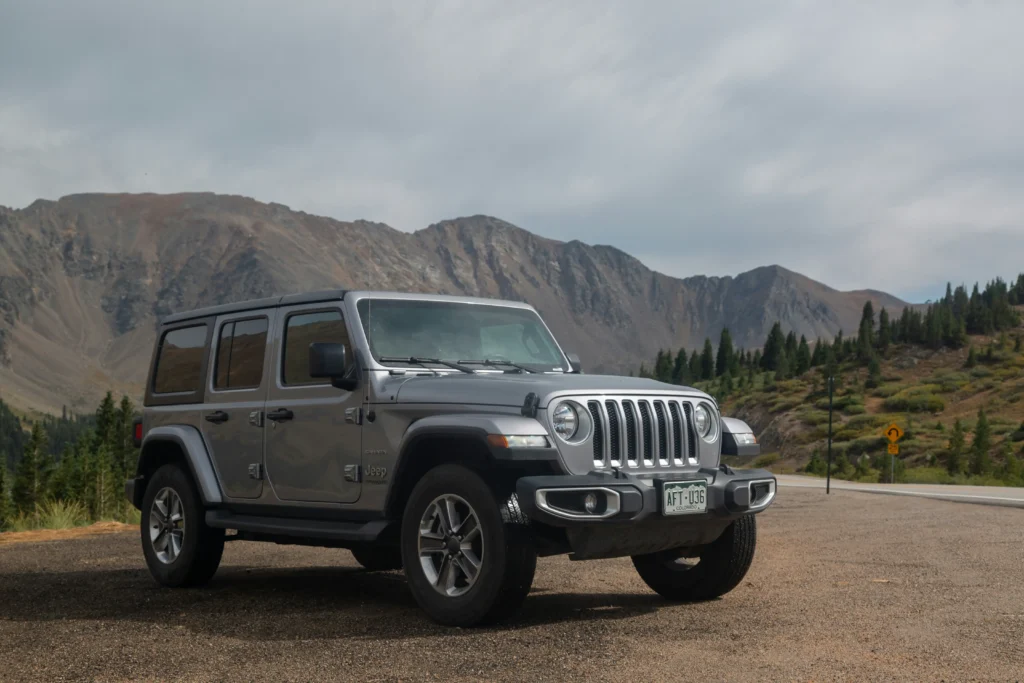
Why the First Trip of the Season Is the Riskiest
Most breakdowns we see in the desert season happen on the first or second trip. Over summer, the Jeep has been used gently, so small problems stay hidden. A tired fan clutch, a weeping radiator hose or a worn steering joint may not show up in traffic. Then the car is asked to climb soft dunes at low speed with high engine load, aired-down tyres and heavy steering. Weak parts fail under that load, often far from the road and help.
1. Tyres and Tyre Pressure
Tyres are your most important desert equipment. Check the tread depth, look for cracks in the sidewalls caused by summer heat, and check the age of each tyre from the date code on the sidewall. Old tyres can look fine but become hard and crack when aired down.
- Lower tyre pressure before you drive on sand. Many UAE off-roaders lower to around 15–18 psi, depending on the vehicle, tyre and load.
- Carry a reliable gauge and a compressor, and reinflate to the road pressure on your door sticker before you drive back on tarmac.
- Check the spare wheel pressure, the jack and the wheel brace before you leave.
- If you fit all-terrain tyres for the season, have the wheel alignment checked afterwards.
Cooler nights also lower tyre pressure, so check pressures in the morning before a trip, not after a drive.
2. Cooling System
Slow driving in soft sand means high engine load with little airflow. That is when a weak cooling system shows itself. Before the season, we check the coolant level and condition, pressure-test the system for leaks, inspect hoses and clamps, and check that the radiator and condenser are not blocked with sand and dust from last season. On many Jeeps, the radiator fins collect fine sand that you cannot see from the front.
Watch the temperature gauge in the dunes. If it climbs, stop facing into the wind with the engine running so the fan can work, and let it cool. Never open a hot radiator cap.
3. Steering and Front Suspension
Wrangler owners know the “death wobble”: a violent shake of the front end after hitting a bump at speed. It is usually caused by worn track bar bushes, ball joints, tie rod ends or a loose steering component. Sand driving adds heavy steering load, so worn parts get worse quickly. Read our guide to the Jeep Wrangler death wobble for the full list of causes.
- Check the track bar, tie rods, drag link and ball joints for play
- Inspect the steering damper and the steering box mounts
- Look for leaks from shock absorbers
- Check the bump stops and control arm bushes
4. Brakes
Sand gets into calipers and wears pads and discs faster. After a summer of city stop-start driving, pads may already be low. We measure the pads and discs, check the brake fluid condition and look for sticking calipers. Fresh fluid matters because brakes work hard on steep dune descents. See our Jeep brake repair page for what a full brake check includes.
5. Battery and Electrics
Dubai summers shorten battery life. A battery that coped in the heat can fail on the first cool desert morning, especially if you run fridges, lights or a compressor from it at camp. Have the battery and charging system load-tested before the season. If you have added light bars, winches or a second battery, check the wiring, fuses and connections for heat damage. Our Jeep electrical repair team can test the whole system.
6. 4×4 System and Fluids
Engage four-wheel drive and low range before your trip to make sure they work. Check the transfer case and axle oils, especially if the Jeep has crossed water or deep sand before. Look for leaks around the axle seals and the transfer case. A slipping or noisy 4×4 system is far easier to fix in the workshop than in the dunes.
7. Air Conditioning
Even in winter, desert afternoons can be warm, and a long recovery in the sun is uncomfortable without AC. If your AC struggled in the summer, fix it before the season. See our Jeep AC repair in Dubai page.
8. Recovery Gear and Safety
- Rated recovery points front and rear. Never recover from the tow ball.
- A recovery strap or rope, shackles and a shovel
- Recovery boards for soft sand
- A tyre deflator, gauge and compressor
- A first-aid kit, plenty of water and a charged phone
- Travel in a convoy and tell someone your route
How Euro Experts Prepares Jeeps for the Desert

Our desert-season inspection covers tyres and wheels, cooling, steering and suspension, brakes, battery and charging, the 4×4 system and fluids, and the underbody. We road-test the car and give you a written report. If anything needs work, you get a written quote first and decide what to fix. Many owners book the check two or three weeks before their first trip, so there is time for parts to arrive.
For routine maintenance, see our Jeep service guide for Dubai drivers, or browse all Jeep repair and service in Dubai.
Frequently Asked Questions
How often should I service my Jeep if I go off-road?
More often than the standard schedule. Sand, heat and heavy load count as severe use, so oil, filters and fluids should be checked more often. A check before and after the desert season is a good habit.
What tyre pressure should I use on sand in the UAE?
Many drivers lower to around 15–18 psi, but the right pressure depends on your Jeep, tyres and load. Always reinflate to the road pressure on your door sticker before driving on tarmac.
Why does my Wrangler shake after a bump?
A violent shake after a bump is usually death wobble, caused by worn steering or suspension parts such as the track bar or ball joints. Slow down safely and have it inspected before your next trip.
Should I wash my Jeep after a desert trip?
Yes. Rinse the underbody, wheel arches and radiator area to remove sand and salt. Sand left in brakes and suspension joints speeds up wear.
Can you check my Jeep before a trip at short notice?
Yes. Contact us with your model and trip date. We offer free pickup and delivery across Dubai.
Get Your Jeep Desert-Ready
Bring your Wrangler or Grand Cherokee to our Al Quoz workshop before the first trip of the season. We put it on the lift, check everything on the list above and tell you plainly what needs attention now and what can wait until after the season. Prices are agreed in writing before we touch the car, and we can collect it from your home. WhatsApp or call +971 50 108 9922 with your model and trip date.